
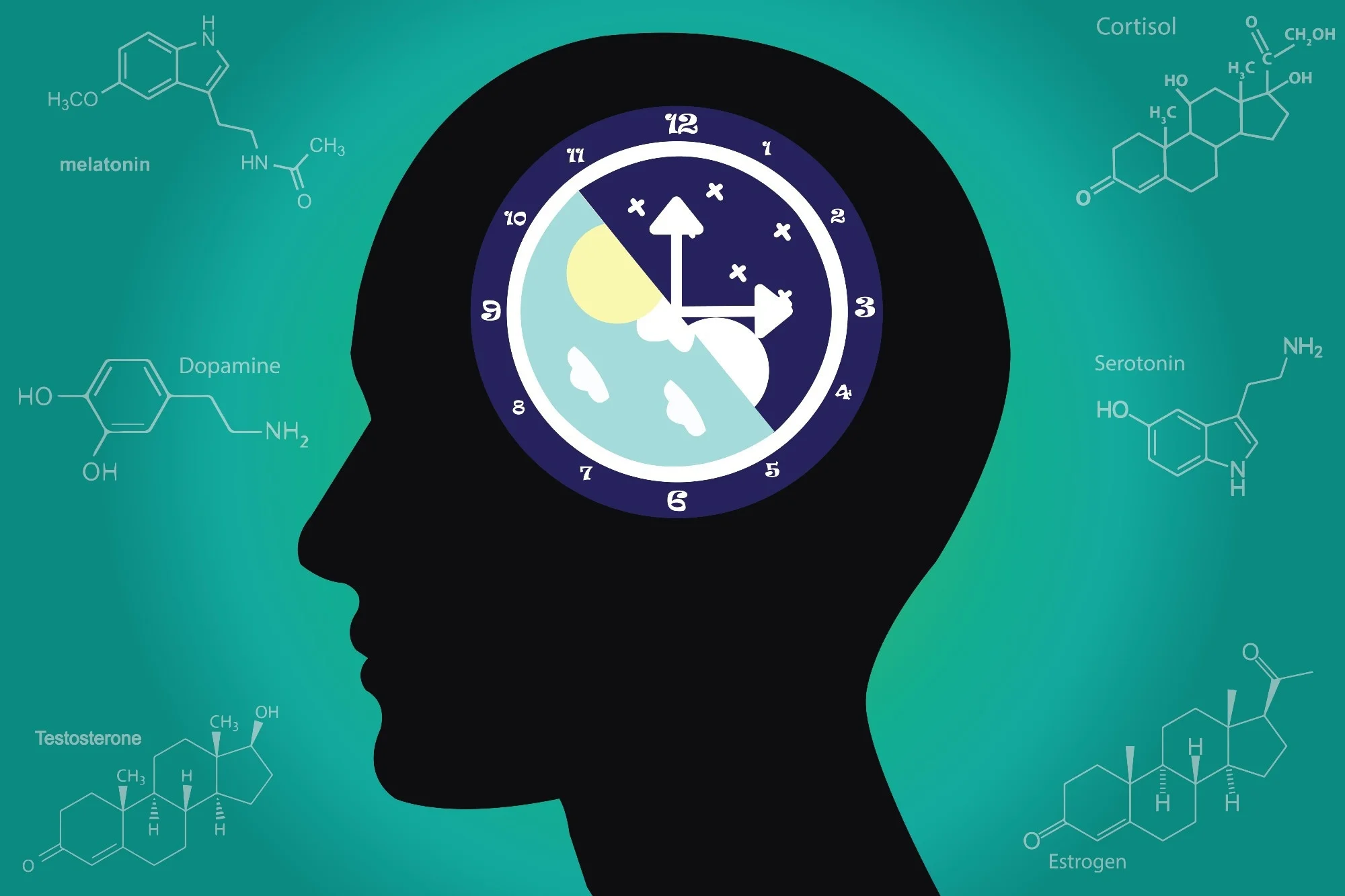
You probably know the feeling after a short night. Breakfast tastes louder and snacks call your name. Your steps feel heavier despite the same route. A small task suddenly needs a long breath. Here is the simple question we face today. How does sleep shift metabolism in daily life? And how can small habits keep things steady?
Why does sleep steer metabolism?
Sleep is an active repair period for the body. Hormone signals align with internal clocks during quiet hours. Cells adjust enzyme activity to match expected fuel needs. The brain trims stress responses and resets attention. Muscles prepare for movement and glucose handling tomorrow. The liver reviews storage and release settings overnight. These steps together set your metabolic morning baseline.
What happens inside cells at night?
Cells use the night to check and recycle components. Mitochondria refine their energy machinery during rest. Antioxidant systems catch up when demands fall slightly. Protein building shifts toward repair and maintenance tasks. Glycogen stores adjust for the next day’s activity. These cycles depend on predictable sleep timing. Regularity keeps these processes efficient and calm.
How do hunger hormones shift with sleep?
Sleep helps balance ghrelin and leptin levels naturally. Ghrelin encourages hunger and rises with sleep loss. Leptin signals fullness and drops when nights shrink. That combination drives cravings the following afternoon. Sweet and salty foods gain louder appeal quickly. Stable sleep keeps these signals closer to neutral. Neutral signals support calmer food choices across the day.
Why does short sleep raise cravings?
Poor sleep nudges the brain toward quick reward choices. The prefrontal cortex tires and resists less effectively. The reward centers respond strongly to high energy foods. Stress hormones also push attention toward fast fuel. The result is more snacking and less satisfaction. You can feel both hungrier and less full afterward. That loop is quieter after a full night.
What role does circadian timing play?
Your internal clock expects light by day and dark at night. Clock genes influence hormone release and tissue rhythms. Eating late can collide with those signals noticeably. The body digests better earlier in the evening. Sleep during natural dark hours improves hormone alignment. Consistent bedtimes support cleaner metabolic timing. Timing keeps effort small and benefits large.
How does sleep affect insulin use?
Insulin helps cells use glucose effectively after meals. Sleep loss reduces insulin sensitivity in several tissues. Muscles may pull in less glucose the next day. The liver may release more sugar into blood. Those shifts raise fasting and post meal values. Restoring sleep often improves these measures steadily. Better sensitivity follows calmer nights over time.
Where does stress meet metabolism?
Stress hormones like cortisol prepare the body for action. Short sleep pushes cortisol higher at the wrong times. Elevated cortisol can increase appetite and blood sugar. It can also reduce sleep quality the next night. The loop slowly erodes daily stability and mood. Sleep acts like a brake on that loop. Brakes matter when schedules get busy and loud.
How do muscles respond after poor sleep?
Muscles support movement, posture, and glucose uptake. Sleep loss can reduce muscle recovery after training. Perceived effort rises even at typical intensities. Small injuries take longer to settle fully. Appetite shifts toward fast fuel without lasting energy. Gentle training feels harder and then stops early. Recovery improves when sleep regains its rhythm.
What simple habits improve sleep quality?
Small routines often beat complex solutions at home. Keep a regular bedtime and waking time most days. Dim lights in the last hour before lying down. Cool the room slightly for more stable sleep. Reserve the bed for sleep and calm intimacy. Use quiet activities like reading or soft music. These basics build a reliable wind down path.
How should you plan evening meals?
Large late meals can push reflux and restlessness. Aim for earlier dinners with balanced portions. Include protein, fiber, and modest healthy fats. Limit very spicy or heavy foods before bedtime. Finish alcohol several hours before lying down. Hydrate earlier so bathroom trips are fewer. The goal is comfort and steady digestion overnight.
What about caffeine, screens, and light?
Caffeine lingers longer than most people expect. Set a personal cutoff in the early afternoon. Screen light can delay natural melatonin release. Use night settings or reduce screens before bed. Bright morning light helps set daily clock timing. Keep lights low if you wake during the night. Gentle darkness invites quicker returns to sleep.
How can shift workers protect metabolism?
Shift work challenges natural body clocks significantly. Build consistent sleep blocks around your fixed shifts. Use blackout curtains and white noise during daytime rest. Plan meals to avoid large portions near sleep time. Keep a small, predictable caffeine strategy for alert periods. Protect days off with a stable anchor bedtime. These steps reduce metabolic whiplash across weeks.
What markers should you discuss at checkups?
Talk about weight trends without judgment or fear. Ask about fasting glucose and average glucose measures. Discuss blood pressure patterns across busy months. Review cholesterol values and any notable shifts. Share sleep hours and quality with your clinician. Mention snoring, gasping, or restless legs at night. These details guide practical next steps together.
How do naps fit into the picture?
Short naps can support alertness and mood. Keep naps around twenty minutes for gentle boosts. Longer naps may cause grogginess afterward. Avoid late evening naps that delay bedtime. Use naps during heavy seasons of work or study. Treat naps as support, not replacement for nights. Nights still handle most metabolic resets reliably.
What do athletes and busy parents need?
Training and parenting both raise recovery demands. Plan bedtime like a training block you must keep. Stack lighter tasks earlier after poor nights. Hydrate and choose protein with fiber at breakfast. Schedule bright light within an hour of waking. Reserve short breaks for breath and movement resets. Recovery habits protect both performance and patience.
According to our editor’s research, which patterns help?
According to our editor’s research, consistency beats perfection by a mile. Households that keep one anchor bedtime do best. People who step into morning light improve energy faster. Those who dim evening lights report calmer cravings. Regular wake times predict better weekend control. Small rhythms carry most of the metabolic benefit.
As a result of our editor’s reviews, what routines work?
As a result of our editor’s reviews, simple systems win daily. A bedside notebook reduces midnight phone scrolling dramatically. A kitchen timer protects screen curfews for families. A water glass placed on the desk supports hydration. A warm shower marks the start of wind down. These cues reduce friction and save willpower.
Where do exercise and sleep support each other?
Exercise improves sleep when timed thoughtfully. Morning or afternoon movement helps many sleepers. Hard late sessions can delay relaxation for some. Gentle evening stretches support calmer transitions. Regular activity also improves insulin sensitivity. Better sensitivity combined with sleep multiplies benefits. The cycle turns helpful instead of draining all week.
How does weight interact with sleep quality?
Weight and sleep influence each other both ways. Poor sleep can increase appetite and late snacking. Weight gain can increase snoring and airway resistance. Snoring can fragment sleep and reduce deep stages. Deep stages matter for metabolic balance and memory. Address both sides with patience and steady steps. Professional support can help when patterns persist.
What about breathing issues at night?
Loud snoring with pauses deserves clear attention. Morning headaches can also suggest disrupted sleep. Daytime sleepiness despite long hours is another clue. Discuss these signs with your clinician promptly. Some conditions respond well to simple equipment. Better nighttime airflow improves daytime glucose and mood. Families notice calmer mornings within a few weeks.
How should you organize evenings for better rest?
Create a gentle pre sleep sequence you enjoy. Tidy small areas to reduce visual clutter. Set the next day’s clothes for quicker mornings. Write a short list to empty busy thoughts. Keep the phone charging outside the bedroom door. Sip a caffeine free drink if that soothes. Rituals teach the body that rest is near.
What role does temperature play at night?
The body expects a slight drop before sleep. A cooler room supports that natural change. Breathable bedding keeps moisture controlled overnight. Avoid heavy heating right before bed. Warm hands and feet can still feel pleasant. Experiment with small adjustments for comfort. Comfort removes many avoidable awakenings across the night.
How can teens support healthy sleep?
Teens juggle school, screens, and social rhythms. Encourage a fixed wake time on school days. Keep screens out of the bed itself nightly. Support morning light exposure before classes begin. Offer balanced evening snacks when training late. Model consistent sleep as adults in the home. Family rhythms shape teen habits more than lectures.
Where do official recommendations fit locally?
Health ministries and sleep societies publish practical advice yearly. Many endorse regular bed and wake schedules first. They also highlight morning light and evening dimming. Occupational bodies advise on shift worker protections. National endocrine groups explain sleep and glucose links clearly. These recommendations align with everyday clinic experience. They guide simple steps that households can keep.
How should you handle setbacks during busy seasons?
Expect a few short nights during tight deadlines. Protect the next two nights with stronger routines. Adjust meal timing toward earlier dinners that week. Keep caffeine ceilings despite extra demands. Use short movement breaks to refresh attention. Return to anchors once schedules relax again. Anchors prevent short weeks from becoming long slumps.
How do you make progress feel human and kind?
Pick one habit and practice it for two weeks. Celebrate when you meet it most days. Add one more small step after wins stack. Avoid harsh rules that break under pressure. Share goals with a supportive partner or friend. Treat experiments as learning rather than tests. Kindness keeps change alive through real life.