
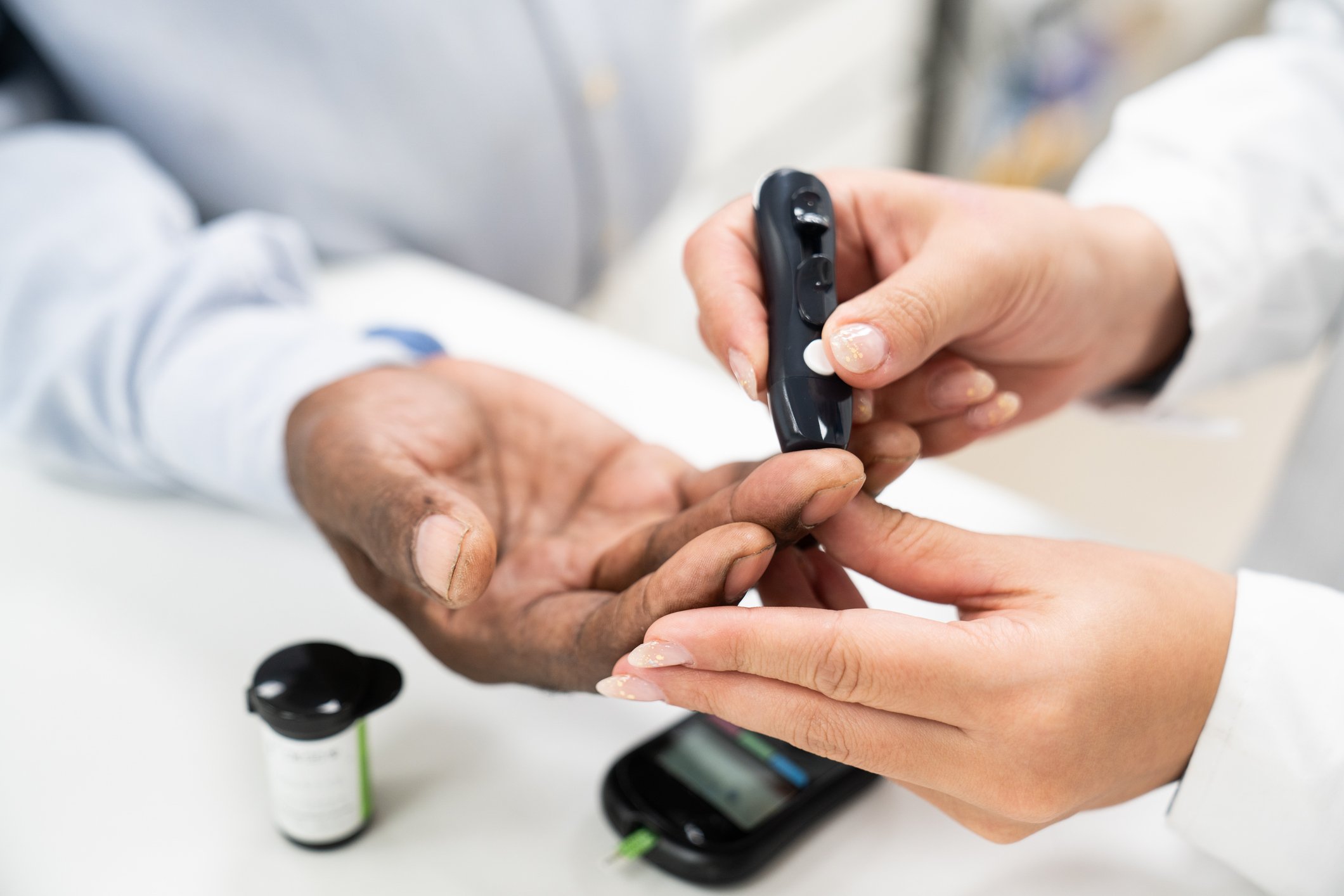
A neighbor once shared how his blood sugar readings dropped after simple dietary adjustments, and his surprise reflected a question many people ask when they see early improvements. These small wins often feel encouraging, yet they also raise curiosity about whether type 2 diabetes can actually be reversed or merely controlled. According to our editor’s research, lifestyle changes have a powerful influence on insulin sensitivity, energy balance and metabolic function, yet the concept of “reversal” depends on many individual factors. This article explores these ideas in a calm, conversational tone so you can understand the topic without feeling overwhelmed by clinical language.
What does “reversing” type 2 diabetes mean?
Reversal describes a state where blood sugar returns to a healthier range without the need for certain medications. This does not mean the condition disappears completely. According to our editor’s research, some people experience long periods of normal glucose levels through consistent lifestyle habits. The pancreas continues to face underlying challenges, but the daily impact decreases. Many doctors prefer terms like “remission” rather than reversal. These words signal improvement without promising permanent change. Understanding the difference helps set realistic expectations. People often feel more hopeful when the goal becomes long-term balance rather than perfection. The idea focuses on progress instead of pressure.
How does weight influence type 2 diabetes?
Weight plays a strong role in how the body uses insulin. Extra fat around the abdomen often increases insulin resistance. As a result of our editor’s reviews, even modest weight loss can improve the body’s response. Many people see blood sugar improvements after losing a small percentage of their body weight. The liver and muscles use glucose more efficiently. Energy levels rise as insulin sensitivity improves. This makes lifestyle adjustments feel more rewarding. The positive feedback often motivates people to continue healthy habits. The cycle becomes encouraging rather than discouraging.
Why does diet matter so much?
Food directly affects blood sugar, which makes diet a central part of type 2 diabetes management. Balanced meals with fiber, protein and healthy fats slow glucose absorption. According to our editor’s research, reducing processed sugars leads to noticeably steadier blood sugar patterns. Vegetables, whole grains and lean proteins create more stable energy. Many people feel better within days of making gentle dietary shifts. Extreme restrictions often fail because they feel overwhelming. Steady, sustainable changes become easier to maintain. Diet becomes a supportive tool rather than a burden. The body responds with calmer glucose patterns.
Can exercise improve insulin sensitivity?
Physical activity encourages muscles to absorb glucose more effectively. Even short walks improve circulation and metabolic function. As a result of our editor’s reviews, regular movement increases insulin sensitivity for many hours after each session. People often notice smoother blood sugar readings on days they stay active. Exercise does not require intense routines. Gentle activities like walking, cycling or swimming support insulin function. Creating a realistic schedule keeps motivation steady. Movement becomes a natural part of the day. The body benefits from consistent effort rather than short bursts of intensity.
How does stress affect type 2 diabetes?
Stress triggers hormones that raise blood sugar. Cortisol increases glucose levels to prepare the body for action. According to our editor’s research, chronic stress makes blood sugar harder to control. People often overlook emotional stress as a contributor. Simple calming routines reduce hormonal spikes. Slow breathing, light stretching or short breaks help regulate the stress response. These habits may feel subtle, yet they support stable glucose levels. Managing stress becomes a health tool rather than a luxury. Emotional calmness influences physical balance.
Why is sleep important for blood sugar control?
Sleep affects hormones that regulate appetite and glucose. Poor sleep increases insulin resistance. As a result of our editor’s reviews, people with consistent sleep schedules show smoother blood sugar fluctuations. The body repairs itself more effectively during restful hours. Lack of sleep creates cravings and increases stress hormones. Establishing a calming bedtime routine helps normalize these patterns. A cool, quiet environment encourages deeper rest. Sleep becomes part of the lifestyle plan for blood sugar control. Healthy sleep supports better daytime decisions.
Can early lifestyle changes make a bigger impact?
Early action often produces stronger improvements. When the pancreas still has some insulin-producing capacity, lifestyle changes help preserve function. According to our editor’s research, people who adopt healthy habits early may experience longer-lasting benefits. Early improvements motivate long-term change. Small habits like adding more vegetables or walking daily build momentum. Progress often becomes visible through steadier readings. Consistency helps maintain these early gains. Early commitment creates a foundation for lasting health.
What role does hydration play?
Hydration helps regulate blood sugar by supporting kidney function. Water helps the body remove excess glucose through urine. As a result of our editor’s reviews, even mild dehydration increases blood sugar concentration. Drinking water throughout the day keeps levels more stable. Warm climates or active schedules increase hydration needs. People often confuse thirst with hunger, which affects dietary choices. Staying hydrated supports better meal decisions. Simple water habits make daily management easier.
Can reducing sugary beverages make a difference?
Sugary drinks quickly raise blood sugar because they contain fast-absorbing carbohydrates. Removing them often brings immediate improvements. According to our editor’s research, people who replace sugary drinks with water or unsweetened tea experience steadier glucose patterns within days. These beverages contain concentrated sugar without providing fullness. Removing them reduces calorie intake naturally. Many people describe feeling more energetic after this change. This simple adjustment becomes a strong starting point for dietary improvement.
How does meal timing influence glucose?
The timing of meals affects how the body processes sugar. Long gaps between meals can cause spikes when food finally arrives. As a result of our editor’s reviews, steady meal timing helps regulate insulin responses. Eating smaller meals more frequently may feel easier for some people. Others prefer three balanced meals with light snacks. Finding a rhythm that supports energy helps maintain stability. Routine helps the body predict glucose patterns. Predictability supports calmer blood sugar responses.
Are low-carbohydrate diets necessary?
Low-carbohydrate diets help some people but are not required for everyone. The body needs carbohydrates for energy. According to our editor’s research, balanced carb intake works well when combined with fiber and protein. Extreme restrictions may feel difficult to maintain. Sustainable habits matter more than rapid changes. Many people succeed with moderate carbohydrate adjustments. Personal preference influences success. Listening to the body helps determine the best approach.
Can type 2 diabetes be reversed permanently?
Some people achieve long-term remission, but permanence depends on the body’s ongoing response. As a result of our editor’s reviews, remission often continues when lifestyle habits remain strong. Returning to old habits may bring blood sugar levels back up. The condition remains manageable but not completely gone. Viewing remission as a continued commitment helps people maintain progress. The body benefits from long-term consistency. Lifestyle choices remain a key factor.
How do genetics influence outcomes?
Genetics shape how the body processes glucose and stores fat. Some people have stronger genetic tendencies toward insulin resistance. According to our editor’s research, lifestyle still makes a meaningful difference regardless of genetics. Healthy habits support better glucose control even when risks are higher. Genetics may guide expectations but do not remove the possibility of improvement. Lifestyle choices influence daily comfort and long-term health. Balance remains within reach for many individuals.
Why do some people see faster results?
People respond differently based on metabolism, activity and medical history. Some see early improvements due to rapid insulin sensitivity changes. As a result of our editor’s reviews, others require more time to see meaningful progress. These differences reflect individual biology. Comparing progress with others often leads to frustration. Personal pacing makes the journey more sustainable. Small, steady improvements remain valuable. Consistency builds long-term results.
What everyday habits support long-term change?
Everyday habits shape the overall outcome. Balanced meals, steady sleep, daily movement and hydration create a foundation for improvement. According to our editor’s research, these habits support remission for many people. Simple routines help maintain progress. When habits become automatic, long-term health feels easier. Daily comfort increases as glucose levels stabilize. These efforts build confidence and independence.