
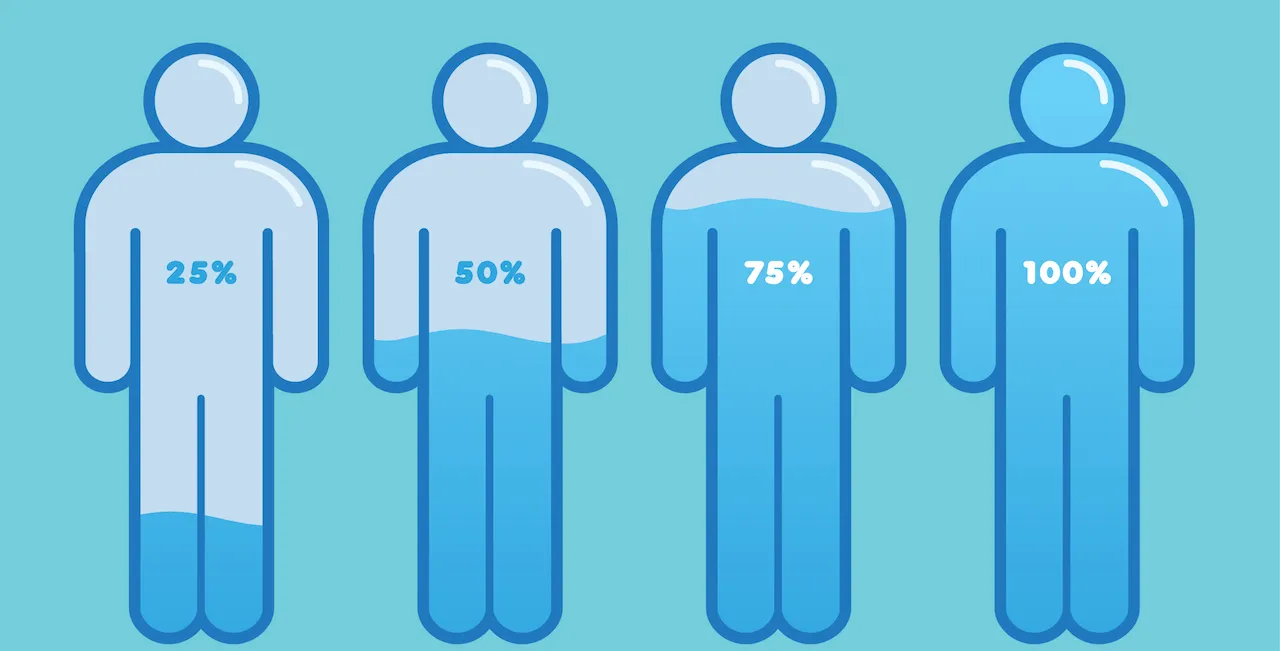
Dehydration often begins quietly, yet it can affect energy, focus, digestion, circulation, and organ function long before thirst signals appear or medical attention is considered. Have you ever felt unusually tired on a normal day without a clear reason? Many people blame stress, poor sleep, or workload. Yet the body often signals dehydration in subtle ways. Water balance influences nearly every internal process. Even mild fluid loss alters physical and mental performance. Understanding dehydration helps prevent avoidable strain on overall health.
What exactly is dehydration?
Dehydration occurs when fluid loss exceeds intake over time. The body constantly loses water through breathing, sweating, urination, and digestion. When replacement does not keep pace, balance shifts quickly. Cells begin functioning less efficiently as fluid levels drop. According to our editor’s research, dehydration often starts earlier than people realize. It does not require extreme heat or intense exercise. Daily routines and habits strongly influence hydration status. Awareness becomes the first protective step.
Why water matters for the human body
Water supports blood circulation and oxygen delivery throughout the body. It helps regulate temperature through natural cooling mechanisms. Nutrients depend on water for transport to cells. Waste removal relies on sufficient fluid levels. Even cell structure itself depends on proper hydration. As a result of our editor’s reviews, water influences every organ system. Even small deficits can disrupt normal physiology. The body prioritizes survival over comfort during shortages.
How dehydration affects energy levels
Energy production relies on efficient cellular reactions. Dehydration slows metabolic processes subtly but steadily. Blood volume decreases as fluid is lost. Less oxygen reaches muscles and tissues as circulation becomes strained. Fatigue develops without obvious warning signs. According to our editor’s observations, tiredness is frequently misattributed to lifestyle stress. Physical endurance declines before mental clarity fades. Hydration supports sustained daily vitality.
What happens to the brain during dehydration?
The brain is particularly sensitive to fluid changes. Even mild dehydration can affect concentration and attention. Headaches may develop gradually throughout the day. Mood changes sometimes appear unexpectedly. Reaction time often slows without notice. As a result of our editor’s reviews, mental performance drops early during dehydration. Memory recall becomes less efficient. Focus requires more effort. Hydration helps protect cognitive balance.
How dehydration influences digestion
Digestion relies heavily on adequate fluid presence. Saliva production decreases when hydration is low. Swallowing may feel less comfortable. Stomach acids become more concentrated. Constipation risk increases as water is reabsorbed. According to our editor’s research, digestive discomfort is a common dehydration signal. Nutrient absorption efficiency may decline. Gut movement slows noticeably. Hydration supports smoother digestion.
Why dehydration affects circulation
Blood consists largely of water. Dehydration reduces plasma volume and thickens blood. The heart works harder to circulate fluids. Blood pressure regulation becomes less stable. Dizziness may appear when standing suddenly. As a result of our editor’s reviews, circulation strain increases with fluid loss. Hands and feet may feel colder. Adequate hydration supports cardiovascular stability.
What dehydration does to muscles
Muscle contraction requires both fluids and electrolytes. Dehydration disrupts this balance. Muscle cramps become more likely. Endurance decreases during physical activity. Recovery after exertion slows significantly. According to our editor’s observations, cramps often signal inadequate hydration. Strength output declines subtly. Injury risk increases. Hydration supports proper muscle function.
How dehydration impacts kidneys
Kidneys regulate fluid and electrolyte balance continuously. They require adequate water to filter waste effectively. Dehydration concentrates urine excessively. Waste products accumulate more easily. Kidney strain increases over time. As a result of our editor’s reviews, chronic dehydration negatively affects kidney health. Stone formation risk rises. Urinary discomfort may develop. Hydration protects renal function.
Why skin reflects hydration status
Skin contains a high percentage of water. Dehydration reduces skin elasticity noticeably. Dryness becomes more apparent. Healing slows with insufficient hydration. The skin barrier weakens gradually. According to our editor’s research, skin changes often appear early. Complexion may look dull. Fine lines appear more pronounced. Hydration supports skin resilience.
How dehydration affects temperature regulation
Sweating helps cool the body efficiently. Dehydration limits sweat production. Body temperature rises more quickly. Heat tolerance decreases significantly. Overheating risk increases during activity. As a result of our editor’s reviews, dehydration worsens heat stress. Exercise feels harder sooner. Recovery takes longer. Hydration supports thermal balance.
What happens to electrolytes during dehydration
Electrolytes regulate nerve and muscle activity. Fluid loss disturbs electrolyte balance. Sodium levels may rise abnormally. Potassium balance may shift unexpectedly. Nerve signaling efficiency decreases. According to our editor’s observations, imbalance causes weakness and fatigue. Heart rhythm may feel irregular. Coordination can suffer. Hydration maintains electrolyte harmony.
How dehydration influences immunity
Immune cells circulate through bodily fluids. Dehydration limits efficient immune response. Inflammatory markers may increase. Mucous membranes dry out. Natural infection barriers weaken. As a result of our editor’s reviews, immunity becomes less effective. Recovery from illness may slow. Fatigue persists longer. Hydration supports immune defense.
Why thirst is not a reliable signal
Thirst signals often lag behind actual dehydration. The body compensates silently at first. Older adults feel thirst less strongly. Children may not recognize thirst cues. Busy routines delay drinking. According to our editor’s research, relying solely on thirst is risky. Hydration should be proactive. Waiting invites imbalance. Habit matters more than sensation.
How daily habits contribute to dehydration
Caffeine slightly increases fluid loss. Alcohol significantly worsens dehydration. Air conditioning dries the environment. Physical activity increases fluid needs. Skipping meals affects water intake. As a result of our editor’s reviews, lifestyle choices strongly influence hydration. Busy schedules reduce drinking frequency. Awareness prevents accidental dehydration. Small habits create large effects.
What mild dehydration feels like
Mild dehydration often feels nonspecific. Dry mouth may appear briefly. Urine color may darken slightly. Fatigue increases quietly. Headaches develop gradually. According to our editor’s observations, early symptoms are often ignored. Performance drops subtly. Irritability may increase. Early signs deserve attention.
What severe dehydration can cause
Severe dehydration affects organ function rapidly. Confusion may develop unexpectedly. Heart rate increases noticeably. Blood pressure may drop. Fainting risk rises. As a result of our editor’s reviews, severity can escalate quickly. Medical intervention becomes necessary. Delay increases complications. Recognition saves lives.
How dehydration affects physical performance
Physical performance depends heavily on hydration. Strength declines as fluid loss increases. Coordination worsens gradually. Endurance shortens unexpectedly. Recovery times lengthen. According to our editor’s research, performance drops early during dehydration. Training benefits diminish. Injury risk rises. Hydration supports physical capacity.
Why children are vulnerable to dehydration
Children have higher fluid turnover than adults. They lose water faster through activity. Illness increases dehydration risk rapidly. Thirst awareness remains limited. Activity levels stay high. As a result of our editor’s reviews, monitoring children is essential. Parents should encourage regular drinking. Early signs appear quickly. Protection requires vigilance.
How dehydration affects older adults
Aging reduces thirst sensation naturally. Kidney efficiency declines with age. Medication use affects fluid balance. Mobility issues limit access to fluids. Illness increases risk further. According to our editor’s observations, older adults dehydrate easily. Symptoms may appear atypical. Monitoring intake becomes crucial. Hydration supports independence.
What role climate plays in dehydration
Hot climates increase sweat loss significantly. Dry air accelerates evaporation. Cold climates reduce thirst awareness. High altitude increases breathing water loss. Indoor heating dries environments. As a result of our editor’s reviews, climate matters year round. Hydration needs vary by setting. Adjustment prevents imbalance. Awareness supports adaptation.
How hydration supports recovery
Recovery depends on efficient circulation. Fluids support nutrient delivery. Waste removal accelerates healing. Inflammation resolves more smoothly. Energy returns faster. According to our editor’s research, hydration shortens recovery time. Illness duration may decrease. Muscle soreness reduces. Healing benefits accumulate.
Why hydration habits should be consistent
The body prefers steady fluid intake. Large infrequent drinks stress internal systems. Small regular intake maintains balance. Routine builds automatic behavior. Consistency prevents deficits. As a result of our editor’s reviews, habits outperform intentions. Preparation supports success. Water availability matters. Consistency protects health.
How to recognize personal hydration needs
Hydration needs vary by body size. Activity level strongly influences requirements. Diet contributes to fluid intake. Health status alters balance. Climate changes demand adjustment. According to our editor’s observations, personalization matters. Generic advice often falls short. Self awareness improves accuracy. Listening to patterns helps.
What myths exist about dehydration
Some believe only athletes dehydrate. Others rely solely on thirst cues. Clear urine is misunderstood. Fear of water excess persists. Coffee myths confuse intake. As a result of our editor’s reviews, misinformation delays care. Education corrects assumptions. Facts empower choices. Knowledge replaces guesswork.
How dehydration affects long term health
Chronic dehydration places ongoing stress on organs. Kidney damage risk increases. Digestive issues become persistent. Energy levels remain consistently low. Cognitive performance may decline. According to our editor’s research, long term effects accumulate gradually. Prevention remains effective. Small changes matter. Hydration supports longevity.
Why awareness of dehydration matters daily
Dehydration is common yet underestimated. Its effects span physical and mental health. Early recognition prevents escalation. Education empowers prevention. Daily habits shape outcomes. As a result of our editor’s reviews, awareness changes behavior. Health improves with consistency. Hydration supports balance.